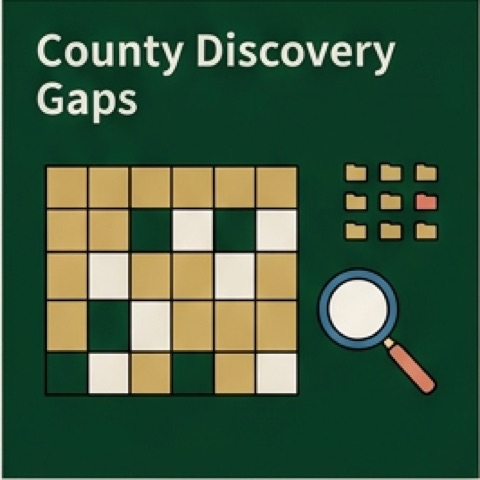
Why county coverage is uneven
Volunteer information is often fragmented across official org sites, county pages, Facebook posts, libraries, parks, and local coalitions. Smaller counties may have fewer centralized listings but still have real needs.
- Search by city and county, not just cause.
- Check local food pantries, libraries, extension offices, and senior services.
- Use official pages before reposted lists.
How KindMesh shows coverage
A useful directory can include all 21 Columbus media-market counties while still being honest about source depth, confidence, and verification dates.
- County pages show verified source counts.
- Old or unclear links stay out of the public directory until reviewed.
- Sensitive or uncertain listings stay conservative.
How to help improve coverage
Public suggestions can help improve coverage, but KindMesh publishes only after source checks. That protects volunteers and organizations from phony or unsafe listings.
- Require official URLs.
- Flag sensitive service categories for human review.
- Never publish protected locations from public submissions.
A county page should be honest
A thin county page is better than fake completeness. It can show known sources, known support resources, and the next research gaps without pretending the work is finished.
- Show source counts.
- Show support resources when volunteer sources are still light.
- Invite corrections with official links.
The Ohio template should be repeatable
The Central Ohio pilot should become a checklist for every Ohio county: public agencies, food access, behavioral health boards, libraries, parks, courts, youth, shelters, animal welfare, and civic service.
- Use the same fields in every county.
- Track missing categories explicitly.
- Avoid shaming places with weaker public data.