Some missing details are intentional
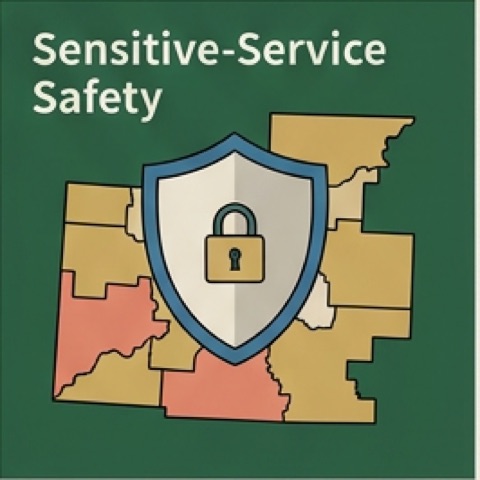
For shelter, survivor-support, crisis, youth, court, legal, health, and client-home roles, public listings should not expose information that could put people at risk.
- Protected locations stay area-only.
- Client homes, routes, and crisis deployment sites are not mapped.
- Exact instructions come from the organization after screening or signup.
What KindMesh can show safely
The directory can still show organization names, official links, high-level service areas, training requirements, background-check expectations, and public-safe labels.
- Confidentiality required.
- Training required.
- Background check likely.
- Youth-facing or crisis-support role.
Volunteer fit matters
Sensitive roles can be highly meaningful, but they can also be emotionally intense. Pick work that matches your current capacity.
- Read requirements before applying.
- Ask about supervision and support.
- Start with lower-intensity roles if you are unsure.
Safety is part of trust
A public directory is more trustworthy when it refuses to expose details that do not belong in public. With sensitive work, usefulness comes from clear labels and official routing, not from showing everything.
- Show the organization and service area.
- Show requirements and fit labels.
- Hide protected addresses and nonpublic instructions.
Photos, stories, and reviews need boundaries
Future community notes should focus on practical facts like wait times, accessibility, and official-link clarity. They should not include client identities, diagnoses, shelter details, legal facts, or emotional stories about someone else.
- Moderate notes before public display.
- Block private addresses and identifying details.
- Prefer dated factual signals over ratings.